"My family member is in the detention center — is there a way out?" Temporary release can be requested. Because detention is an administrative measure for executing deportation, it can be temporarily lifted before the proceedings end, subject to conditions such as a deposit. Whether release is granted is a discretionary judgment on matters such as flight risk, however, and a request does not itself mean release.
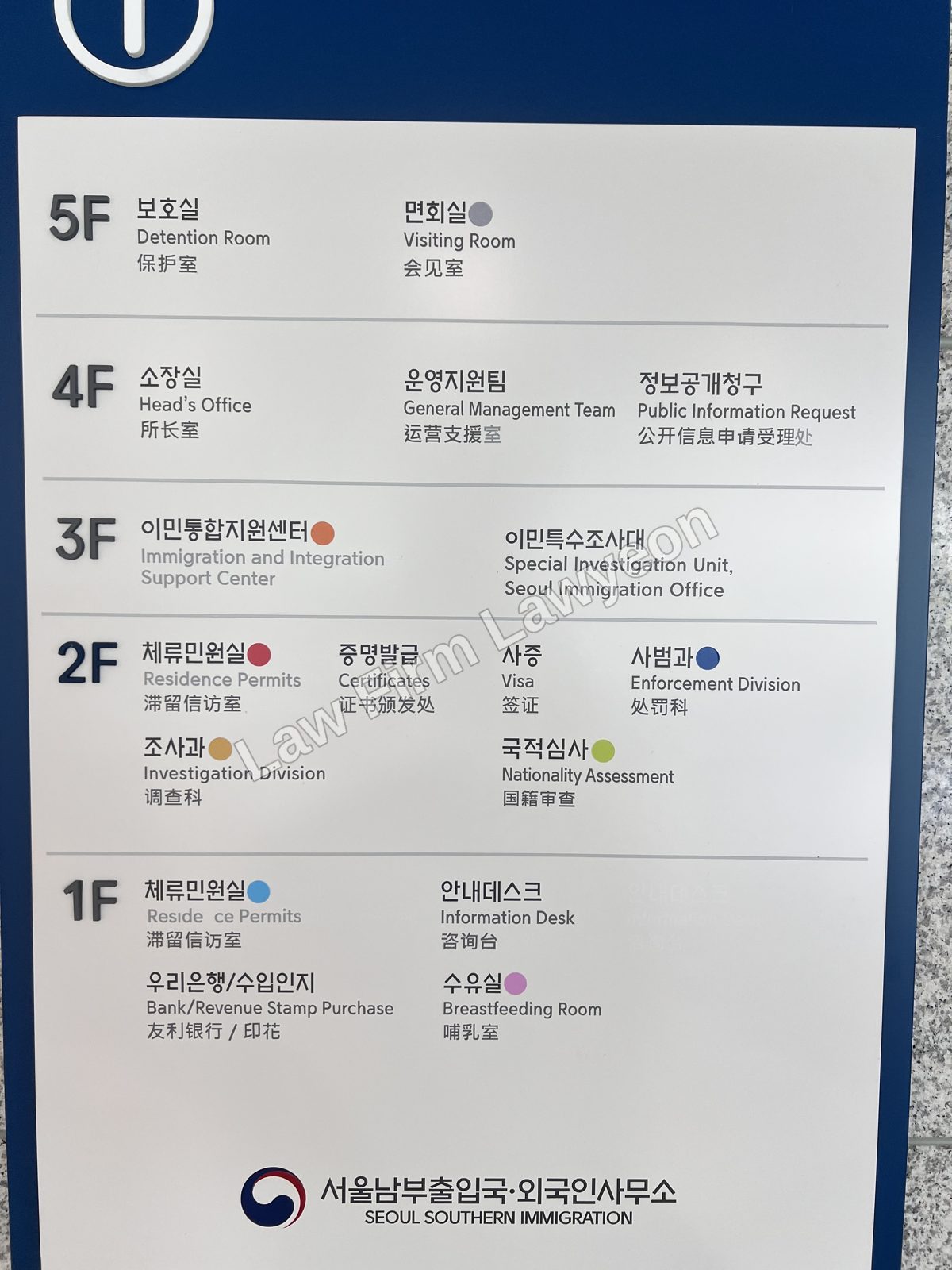
The nature and duration of detention
Detention secures the person of a deportee until removal is executed. It is not a punishment, though in substance it is a restraint on physical liberty that limits movement and communication.
Detention continues until removal is executed or the proceedings end, and in some cases lasts several months. Objections and revocation suits contesting the deportation itself are possible during detention, but preparing that contest — gathering materials, organizing statements — is difficult from inside. This is why securing release comes first in the order of response.
Requirements and conditions of temporary release
Temporary release does not cancel the detention decision; it temporarily restores physical liberty until removal is executed. The Immigration Control Act allows detention to be temporarily lifted on conditions — a deposit of up to KRW 20M, set in view of the person's circumstances, the grounds for the request and their assets, together with residence restrictions and similar terms.
The deposit amount is set with regard to assets and the likelihood of securing attendance, and a personal guarantor may also be required. It should be noted that breaching the conditions can forfeit the deposit, leads to immediate re-detention, and weighs against the person in later judgments.
Who may apply and what the review weighs
The request may be made not only by the detainee but also by family members or counsel. Where the detainee cannot act from inside, family and counsel prepare the materials and file the request from outside.
The review weighs 1) circumstances bearing on flight risk, such as a fixed residence and family in Korea, 2) the medical needs of the detainee or their family, 3) pending litigation and the need to prepare it, and 4) the capacity to post the deposit and provide a guarantor. Release is a discretionary judgment on these factors taken together, and the same circumstances can lead to different conclusions depending on whether they are substantiated with objective materials.
When medical treatment is needed
Suppose, for example, a detainee who needs continuing medical treatment but has no settled residence in Korea. General criteria alone cannot determine the outcome: the need for treatment points toward release, while the unsettled residence points toward flight risk.
In such matters the review considers 1) the content and urgency of the treatment, 2) circumstances that can substitute for residence and guarantee — such as a family member's residence or a guarantor, 3) the stage the deportation proceedings have reached, and 4) any history of attendance and compliance. The conclusion can differ with the specific facts, so case-by-case review is required.
The order of response after release
Taking the above together, when detention begins it is advisable first to prepare the temporary release request to secure time to respond; during the released period, to pursue the substantive contest — the objection and revocation suit against the deportation; and throughout, to comply strictly with the attendance and residence conditions imposed.
Frequently asked questions
The Visa & Immigration Center of Law Firm Lawyeon provides legal services specialized in the integrated handling of Korean immigration and visa matters together with criminal cases and immigration-violation reviews, built on extensive case experience, professional networks, and practical knowledge.
The Center was founded through the organic collaboration of attorneys Junwoo Min, Dohyun Nam, and Seungchul Kim — criminal-law specialists who have advised across a wide range of immigration matters — with Senior Advisor Taemin Ahn, who has served at the Seoul Global Center, as a center head at the Ministry of Justice's Global Start-up Immigration Center, and as a member of the Foreign Workers' Rights Protection Council of the Seoul Regional Employment and Labor Administration. It is Law Firm Lawyeon's dedicated center for immigration practice.
In particular, for departure orders and entry-ban dispositions that follow a final criminal conviction, the Center presents effective solutions through an integrated strategy spanning criminal defense, objections to the disposition, and applications to lift the entry ban, and it supports stable business activity in Korea by managing many clients' immigration risk.
This article is intended as general information about the relevant legal framework and is not legal advice on any individual matter. Determinations concerning immigration status may differ depending on specific facts such as residence history, income and contractual relationships. If your situation requires individual review, you may request a consultation with the Immigration Support Center of Law Firm Lawyeon (lawyeonvisa.app).